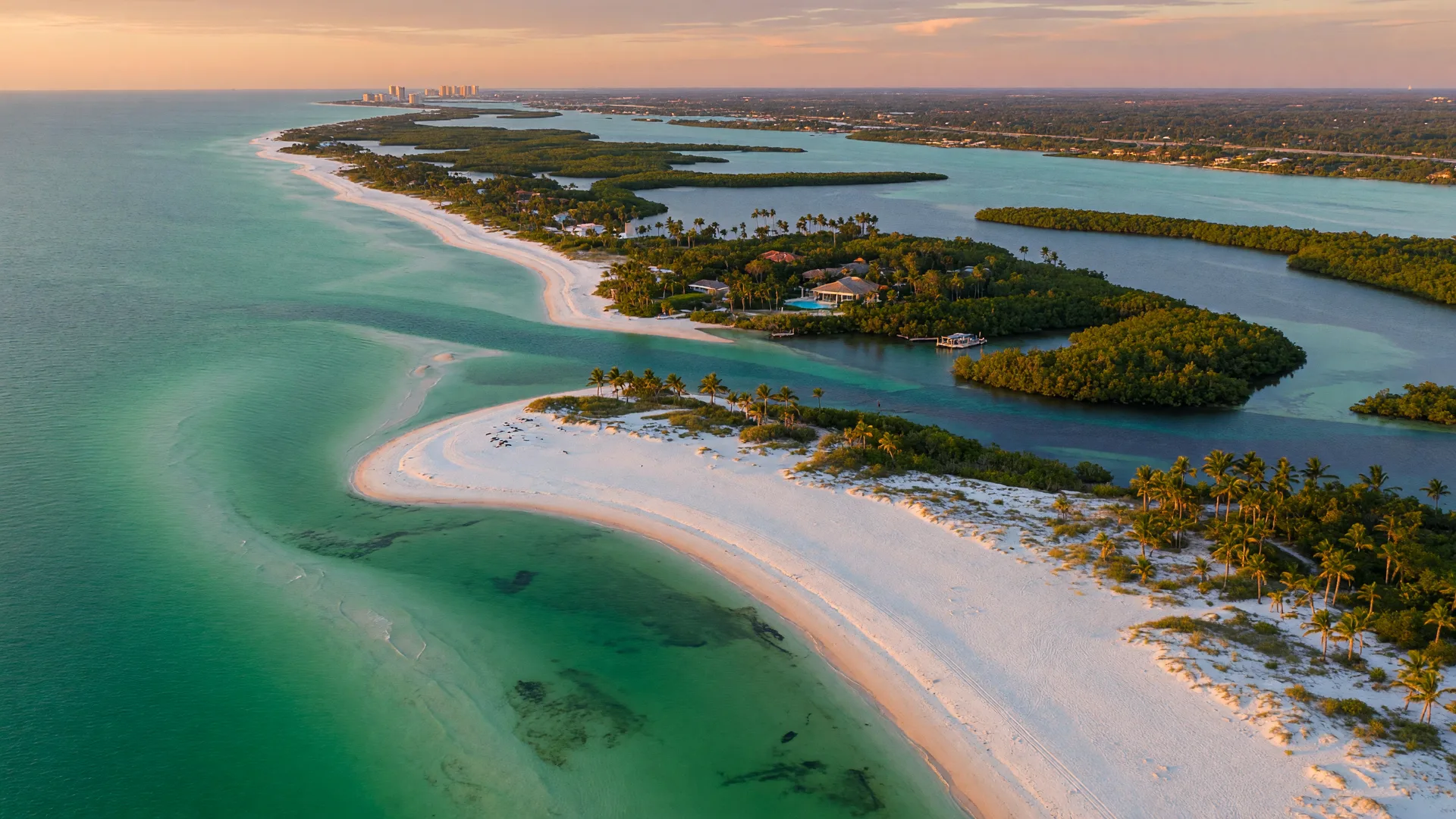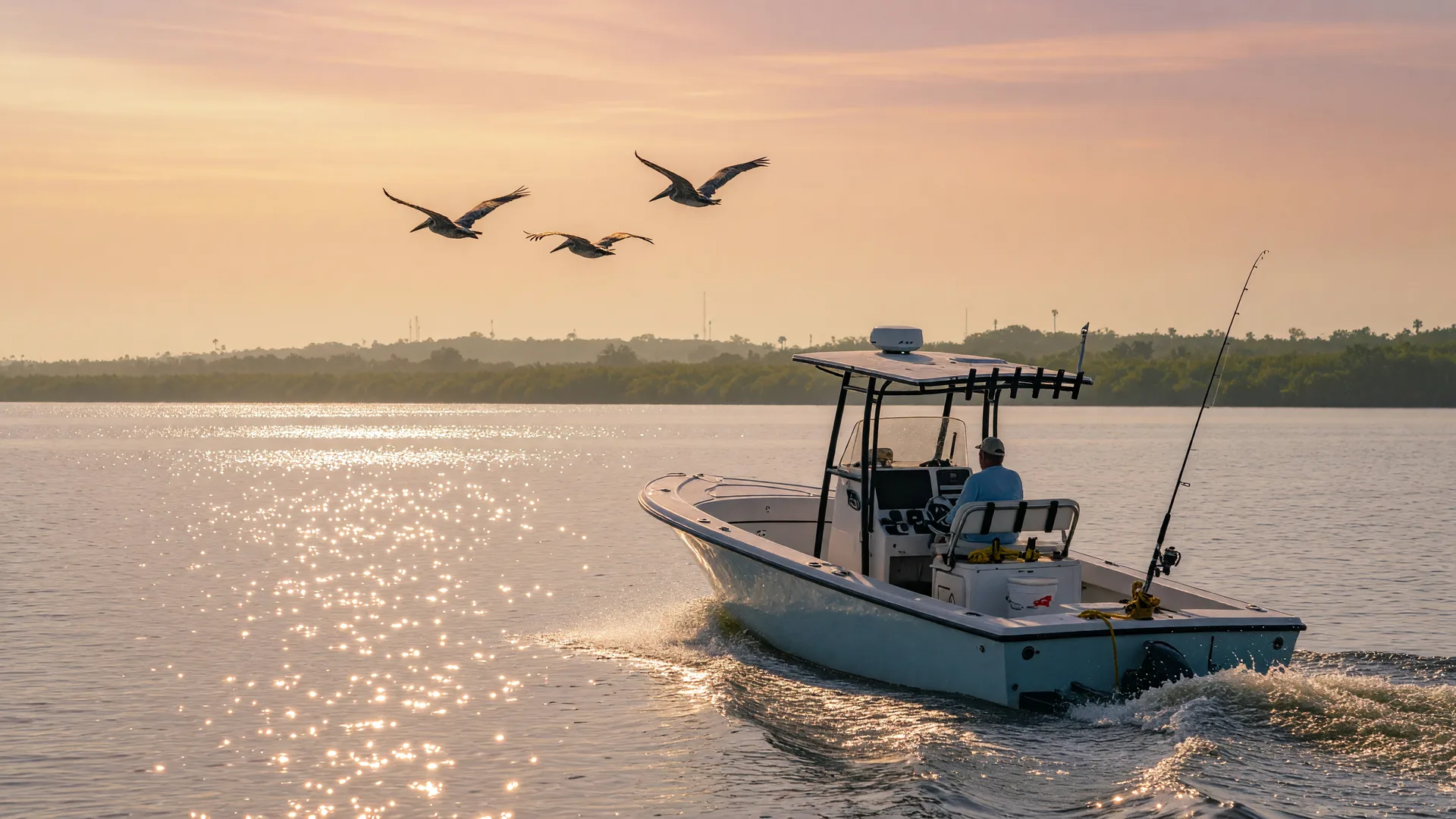
Life on Florida's Gulf Coast runs on the water. The bays, passes, and Gulf itself are the region's backyard, and for many people the boat is the whole point of living here. If you are new to the area or just new to the idea, this primer covers the essentials: where you launch, what you catch, when you can catch it, and what the waterfront lifestyle actually costs.
Launching and Ramps
The public ramp network is better than most newcomers expect. Sarasota, Manatee, and Charlotte counties all operate free or low-cost public ramps, from the bayside ramps near downtown Sarasota to the Gulf-access ramps at Venice and Nokomis. The boating and waterway guide lists the ramps, their access points, and which ones suit trailered boats versus kayaks and paddleboards. A few practical notes: arrive early on weekends, check the tide before you launch in shallow areas, and learn the no-wake zones around docks and marinas before your first trip out.
Inshore vs Offshore Fishing
The Gulf Coast offers two completely different fisheries. Inshore fishing happens in the bays, passes, and grass flats, where the targets are snook, redfish, spotted seatrout, flounder, sheepshead, and tarpon in season. It is accessible from a small boat, a kayak, or even the shore, and it is where most locals spend their time. Offshore fishing means running out of the passes into the Gulf for gag grouper, snapper, mackerel, and amberjack, usually on a center-console boat or a charter. The fishing guide has the full species library, and the tides and conditions page tells you when the bite windows line up.
Species and Seasons: What FWC Says
Florida's Fish and Wildlife Conservation Commission sets the rules, and they change, so check MyFWC.com before you plan a trip. As of the 2026 season:
- Snook: on the Gulf coast, open March 1 through April 30 and September 1 through November 30 in most regions, with Charlotte Harbor and southwest regions running October 1 through November 30 for the fall window. Slot is 28 to 33 inches total length, bag limit one per person, and a $10 snook permit is required in addition to your license.
- Redfish: open year-round on the Gulf, slot 18 to 27 inches, bag limit one per person in most areas.
- Spotted seatrout: under a new nine-region framework that took effect April 1, 2026, the Gulf coast south zone allows three fish per person per day with a 15 to 19 inch slot, open year-round.
- Gag grouper: the 2026 recreational season in Gulf state waters runs September 1 through 30, with a 24 inch minimum and a bag limit of two per person within the aggregate grouper limit.
Licenses are straightforward: a saltwater license is required for residents ages 16 to 64 and for all non-residents 16 and older. Resident annual licenses run about $17, non-resident options include a three-day pass for about $17 and an annual for about $47, and Florida residents 65 and older can fish from shore without a license.
Marinas, Docks, and Boat-Friendly Dining
The region is built for boaters. Marinas with transient slips and fuel line the Intracoastal and the bayfronts, and a growing number of restaurants have real dockage, so you can tie up, eat, and head back out. The dine by boat guide lists the waterfront restaurants with dock access, and the marina section of the boating guide covers slips, fuel, and services.
What Waterfront Living Really Costs
Waterfront is the premium tier of Gulf Coast real estate, and the premium is real. Canal-front homes in Venice, Nokomis, and Punta Gorda offer Gulf access at a lower entry point than open-water lots, while deep-water, direct-Gulf properties on Anna Maria Island, Siesta Key, and Casey Key command the highest prices in the region. Expect to pay more for the water, and budget for the extras that come with it: dock maintenance, seawalls, and higher insurance on anything near the coast. The Venice, Nokomis, Osprey, Anna Maria Island, and Punta Gorda guides each cover their waterfront markets, and the cost of living guide shows what the premium means in monthly terms.
The Next Step
The fastest way to learn the water is to get on it. Start with the boating and waterway guide for ramps, passes, and marinas, and pair it with the fishing guide for species, seasons, and the best public piers. Check the tides before you go, and if you are not ready to buy a boat, the beach and lifestyle guide points you to rentals, charters, and paddle trips that get you on the water without the dock bill.