Every month, someone asks what it really costs to live on Florida's Gulf Coast, and the honest answer is: it depends on which county, which neighborhood, and which line item you are looking at. The region is not one market. Sarasota, Manatee, Charlotte, and Lee counties each have their own price points, and the gap between the headline number and the true monthly nut is where newcomers get surprised. Here is what your budget actually buys in 2026, with current figures you can plan around.
How the Four Counties Compare on Housing
Housing is the biggest line item, and the four counties line up in a clear order. Typical home values in 2026 sit around $399,000 in Sarasota County, about $410,000 in Manatee County, roughly $363,000 in Charlotte County, and approximately $336,000 in Lee County, based on home value estimates from mid-2026. Median sold prices run higher in active markets: recent three-month windows put Sarasota County's median sold price near $424,000 and Manatee's near $449,000, while Charlotte and Lee counties trend lower.
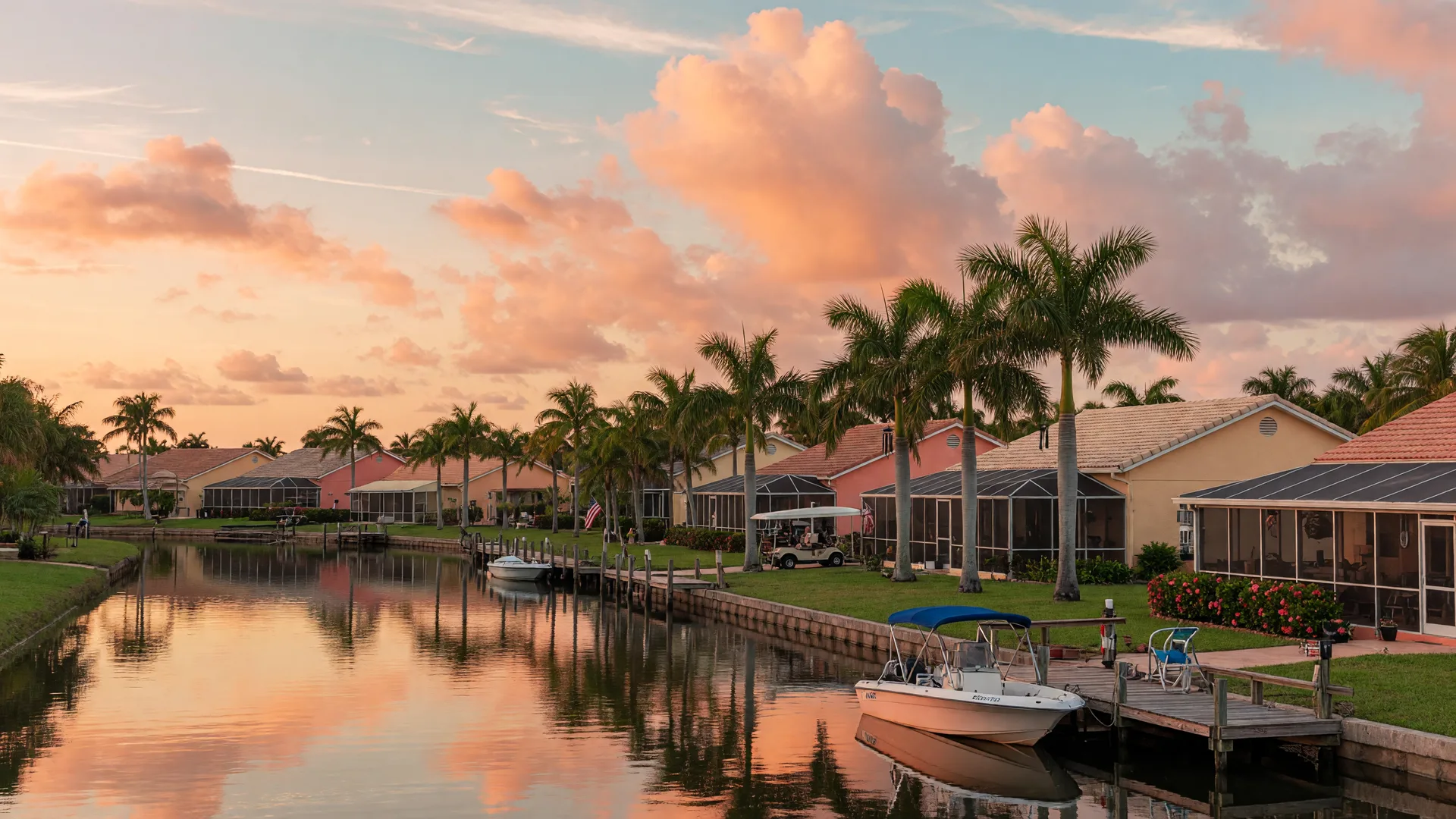
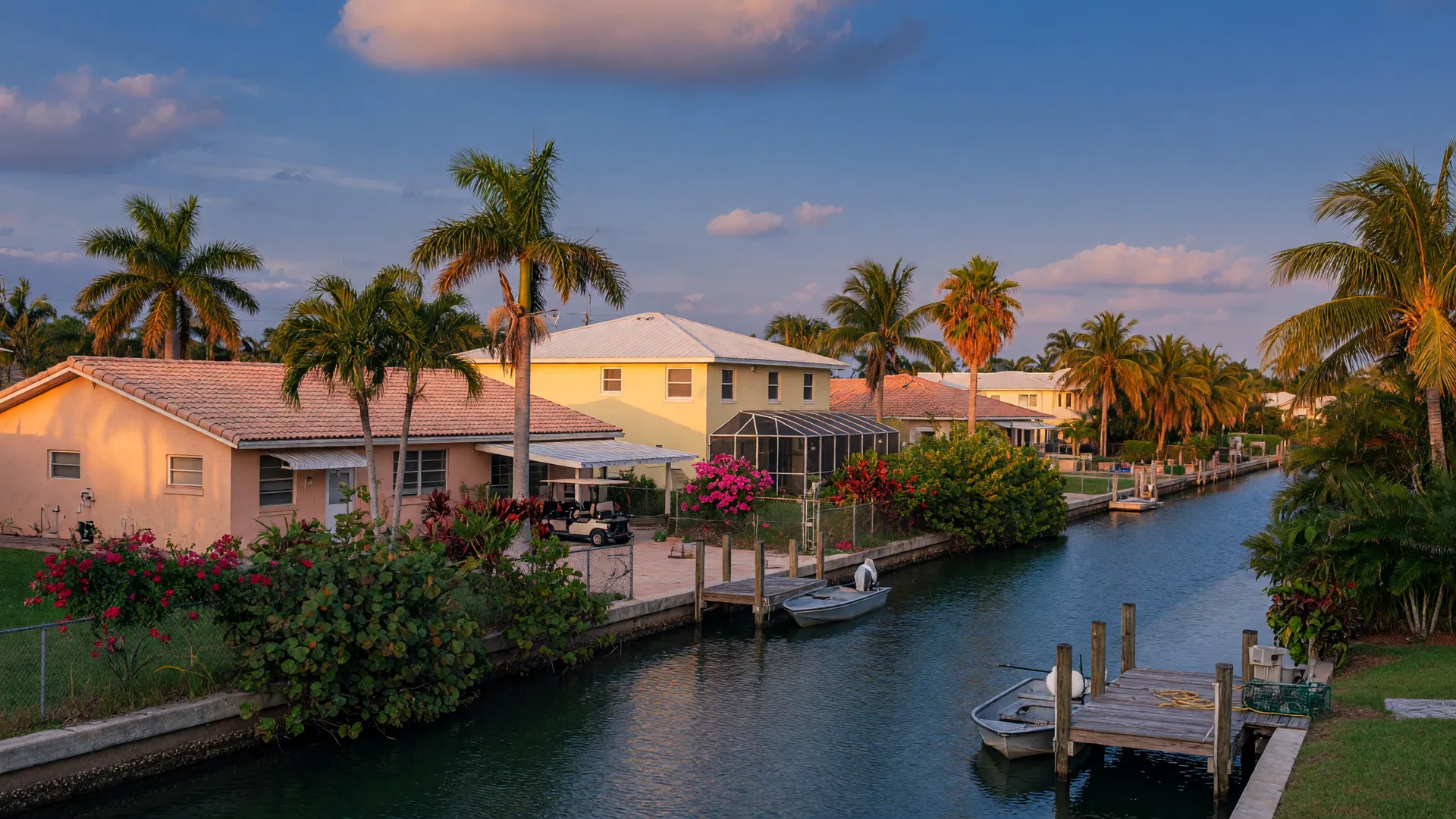
What that means in practice: Sarasota and Manatee buy you the densest concentration of culture, dining, and Gulf-access beaches, and you pay for it. Charlotte County, anchored by Punta Gorda and Port Charlotte, offers noticeably more house for the money with a slower pace. Lee County, led by Fort Myers and Cape Coral, is the most affordable of the four on typical values, with the widest canal-front inventory on the west coast.
The cost-of-living guide compares these markets against the regions people move from, and the community guides break down what each city's price range actually covers.
What Renting Costs
Rents have settled but not fallen. Typical monthly rents run about $2,224 in Sarasota County and about $2,045 in Manatee County, per 2026 county-level estimates. Charlotte and Lee County rental data is thinner, but asking rents generally track below Sarasota's, with Punta Gorda and Cape Coral offering some of the more attainable two-bedroom rents on the coast.
The Insurance Line Item That Surprises Everyone
This is the line that breaks budgets. A typical homeowners policy on a Gulf Coast home runs roughly $4,500 to $7,500 a year in 2026, with Sarasota County averaging around $4,650 for a $300,000 dwelling and barrier-island homes on Siesta Key, Longboat Key, and the barrier islands frequently landing higher. Florida remains the most expensive state in the country for homeowners insurance, and the reasons are specific: wind exposure, roof age, construction type, and the rising cost of reinsurance.
Flood insurance is separate, always. Standard homeowners policies do not cover flood damage, and a separate flood policy typically adds roughly $900 to $1,100 a year under FEMA's Risk Rating 2.0 pricing, with coastal VE-zone properties costing more. Since January 1, 2026, Citizens Property Insurance, the state's insurer of last resort, has required policyholders with $400,000 or more in dwelling coverage to carry flood insurance as well.
Hurricane deductibles are another quiet shock. They are percentage-based, typically 2 to 5 percent of dwelling coverage, so on a $400,000 home a 2 percent deductible means $8,000 out of pocket before wind claims kick in. The home and flood insurance guide walks through all of this in detail, and the property tax explainer covers the tax side of the equation.
No State Income Tax, and What It Is Really Worth
Florida has no state personal income tax, which is the single biggest recurring savings for most relocators. Wages, salaries, and most investment income are not taxed at the state level. The trade-off is a heavier reliance on sales tax: the state rate is 6 percent, and counties can add up to 2 percent more, so combined rates land between 6 and 8 percent depending on where you shop. Groceries are exempt from Florida sales tax, which softens the everyday impact.
Utilities: Higher in Summer, Not Because of Rates
Florida electricity rates are actually below the national average, around 14 to 15 cents per kilowatt-hour versus roughly 18 to 21 cents nationally. But the bills are not below average, because air conditioning runs most of the year. A typical FPL customer in Southwest Florida pays about $145 a month for 1,000 kilowatt-hours, and summer bills climb as the thermostat fights July and August heat. Budget for $180 to $250 a month in peak season and you will not be caught off guard.
Groceries and Everyday Costs
Florida ranks among the more expensive states for groceries, with typical household spending around $122 a week, roughly $530 a month, according to 2026 analyses. That is a genuine surprise for people moving from the Midwest or Southeast, where grocery tabs often run lower. Dining out on the Gulf Coast is a different story: the region's restaurant scene is deep, and the dining guide helps you find the right price point for any mood.
What Surprises Newcomers
- Flood and wind insurance: two separate costs, both real, both budgeted before you buy.
- HOA fees: many Gulf Coast communities, especially newer ones, carry monthly or annual HOA dues that cover landscaping, amenities, and sometimes floodplain maintenance.
- Summer utilities: the AC runs from April through October, and the bills follow.
- Property taxes: no income tax does not mean no property tax; effective millage rates vary by county, and the property tax explainer shows how the homestead exemption changes the math for full-time residents.
The Next Step
The numbers above are a starting point, not a quote. Your actual costs depend on the specific home, street, and flood zone. Run your own comparison in the cost of living calculator, which models housing, taxes, insurance, and utilities against your current city, and if you are still deciding where to land, the community quiz matches your budget and lifestyle to the Gulf Coast town that fits. The relocation guide ties the whole move together, from insurance to residency.